Health Science Report
Medically Reviewed by Dr. Joe Feuerstein | Ivy League Physician & Gut Health Specialist
Research Analysis by Digestive Health Editorial Board
5 min read • Published March 2026

If you're reading this, you already know the feeling.
The straining. The waiting. The days that go by without a single bowel movement — and when it finally happens, it's hard, painful, and incomplete.
The bloating that never fully goes away. The clothes that don't fit the way they used to. The exhaustion that has nothing to do with how much you slept.
And the quiet frustration of trying everything — fiber, laxatives, probiotics — and still waking up the next morning with the same heavy, stuck feeling in your gut.
"I tried everything my doctor suggested. More fiber. More water. Laxatives. Probiotics. Some of it worked for a while — then stopped. And I was right back where I started."
What if none of that was ever going to work?
Not because you did something wrong. But because every solution you've been given was designed to treat the symptom — not what's actually causing it.
In 2019, researchers from Columbia and Duke Universities identified something most doctors still don't test for. A hidden mechanism that gets worse every year — and quietly explains why chronic constipation becomes harder to treat with age, not easier.
It has nothing to do with how much fiber you eat or water you drink.
While researchers were publishing these findings, the $1.6 billion laxative industry was spending more on advertising than any other health category on American television — with ads appearing every 75 seconds on major networks. The same industry that profits every time a solution fails to work long-term.
When they analyzed over 12,400 samples, what they found changed everything.
There is a specific reason your bowels stop responding. A reason that has been building inside your body for decades — long before your constipation became chronic.
And once you understand what it is, everything else suddenly makes sense. Why the treatments stopped working. Why the problem keeps coming back. Why it's been getting worse, not better, no matter what you try.
The details are not something most doctors are aware of yet.
In a population of 1.4 billion people, one remote Indian village stood out for a reason that had nothing to do with genetics, modern medicine, or anything available in a pharmacy. The answer had been sitting in their diet for over 2,000 years — and scientists almost missed it entirely.
When scientists finally identified what it was — and why it works — they realized it addresses the very mechanism that fiber and laxatives never could.
Not by masking the symptom. Not by forcing a bowel movement. But by addressing something much deeper that has been quietly overlooked for decades.
What they found has since been tested in double-blind clinical studies.
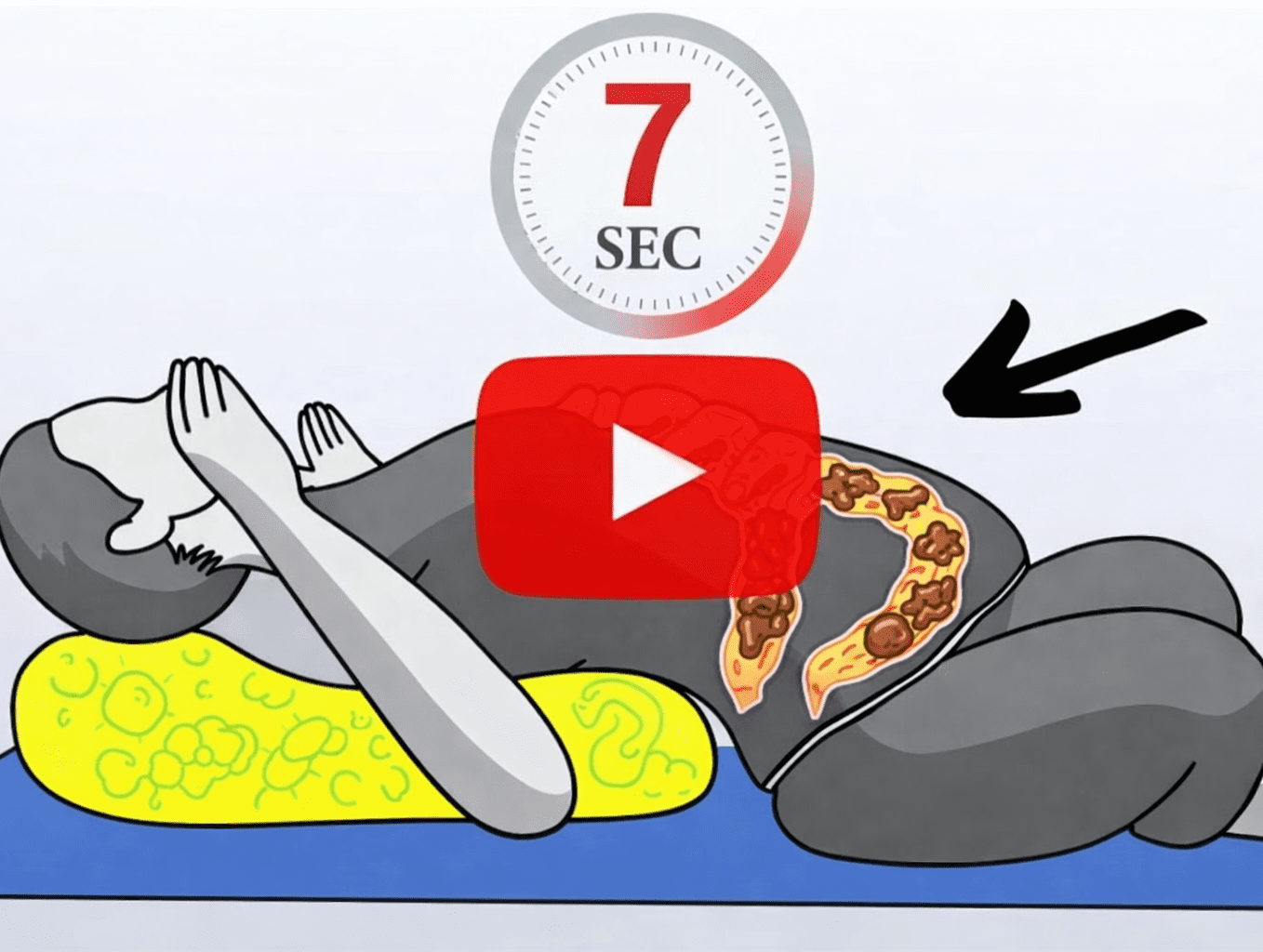
The results — including how a simple 7-second morning ritual may help restore what years of failed treatments never could — are explained in full by the Ivy League physician who led the research.
If you've been dealing with chronic constipation for months or years without real answers, this may be the most important thing you watch this year.
The video is still available below — but based on the attention it's been receiving, we cannot guarantee how long it will remain accessible.
Backed By Research From:

Copyright 2026
All rights reserved.
The content on this website is for informational purposes only and should not be considered medical advice. We recommend consulting a qualified healthcare professional before making any changes to your health regimen. If you have any existing medical conditions or concerns, please seek guidance from your physician.
It is always advisable to conduct independent research and verify information from multiple sources before making health-related decisions. Consult your doctor before following any suggestions mentioned on this site or in relation to the promoted product.
Individual results may vary. The testimonials shared on this page represent personal experiences and are not indicative of guaranteed results.
This website does not provide medical diagnosis, treatment, or professional healthcare advice. Always seek the opinion of a licensed medical professional for any health-related inquiries.
Copyright 2026
All rights reserved.